
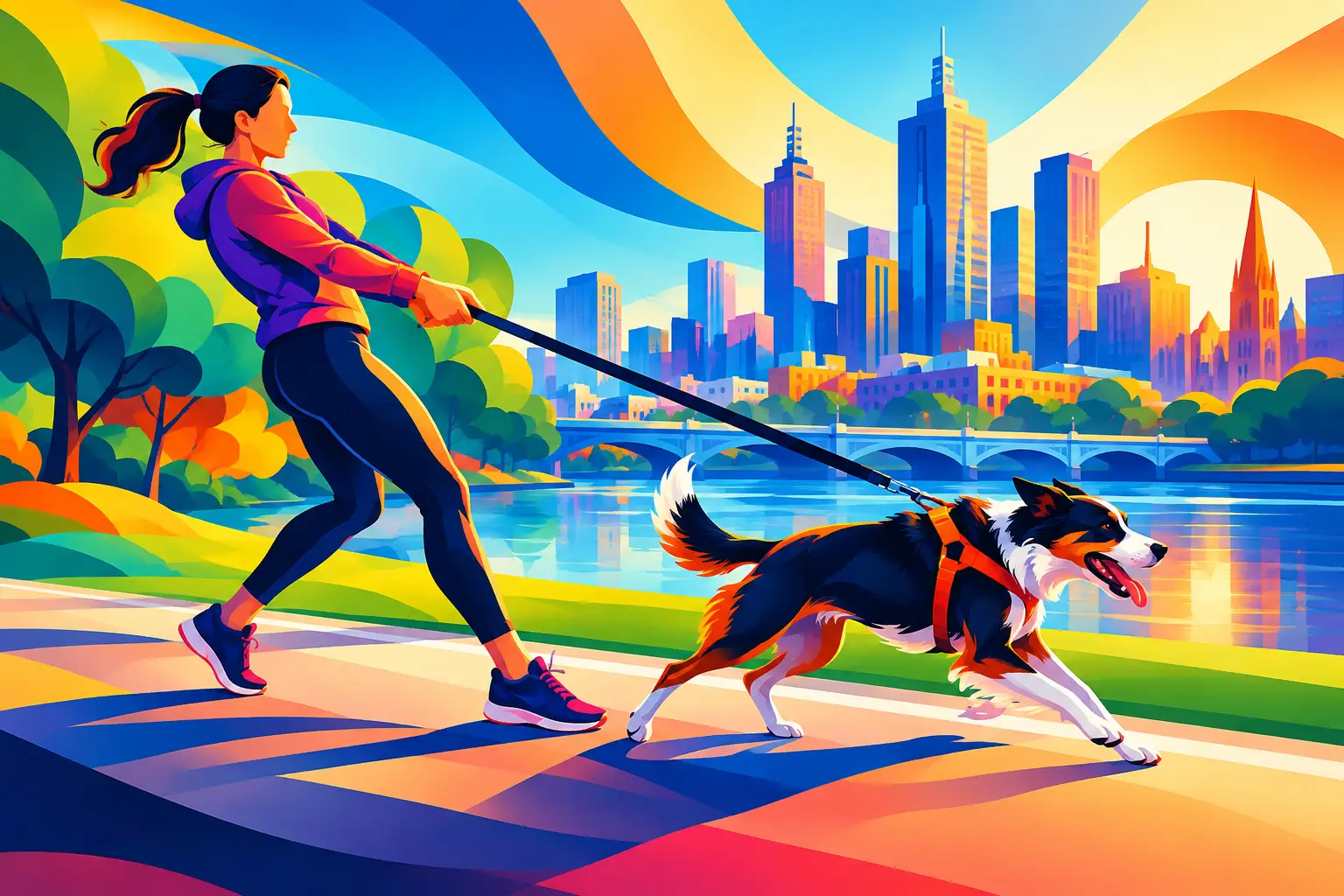
A walk should not feel like being towed down the footpath by a determined dog. If you are wondering how to stop dog pulling, the answer is not a single piece of equipment or one exhausting walk. It is a clear training routine that teaches your dog what position and pace earn progress, while giving you the handling skills to stay calm and consistent.
Pulling is one of the most common reasons owners seek help. It can turn a simple trip around the block into sore shoulders, frayed patience and a dog that becomes more excited every time the lead comes out. The good news is that lead manners can be improved at any age, provided the whole household follows the same plan.
Why dogs pull on lead
Dogs pull because it works. When a dog leans into the lead and reaches a tree, another dog, a scent or the park gate, the pulling has moved them closer to what they wanted. They are not usually trying to be difficult or dominant. They have simply practised a behaviour that gets results.
Excitement, limited practice and an overstimulating environment can all add to the problem. Young dogs often pull because the outside world is new and fascinating. An adult dog may pull from habit, particularly if walks have always begun at speed. Some dogs pull harder when they are worried or reactive around other dogs, people, bikes or traffic. In those cases, the issue is not only loose-lead walking. It also requires careful work on the dog’s emotional response and safe distance from triggers.
Breed, size and strength affect how urgent the problem feels, but every dog benefits from learning to walk without constant pressure on the lead. Good lead manners make daily outings safer and more enjoyable for both ends of the lead.
How to stop dog pulling: start before the front gate
Training begins before you leave home. If your dog launches through the doorway, races down the path and reaches the street already overexcited, asking for a calm walk will be much harder. Take a few minutes to set a quieter starting point.
Have your dog on lead, then wait for a moment of stillness before opening the door. You are not aiming for perfection. A brief pause, four paws on the ground or attention back to you is enough to begin. If the dog surges ahead, calmly close the door or wait until the lead softens again. This teaches a useful early lesson: moving forward happens when the lead is loose.
Keep the lead at a practical length. Too much slack allows a dog to build momentum; a very short lead can create constant tension and frustration. Hold it securely, with your hands close enough to maintain control but without repeatedly hauling your dog back. Your goal is to guide and teach, not enter a strength contest.
Choose a suitable collar, harness or head halter with professional advice for your dog’s size, shape and behaviour. Equipment can improve safety and handling, but it does not teach a dog where to walk. The training comes from what consistently happens when the lead tightens or loosens.
Teach that a loose lead makes the walk continue
At first, practise somewhere quiet. Your driveway, front path, backyard or a low-distraction section of reserve is often a better classroom than a busy Saturday morning strip of shops. Start with short sessions. Five minutes of focused practice is more valuable than a long walk where pulling is rehearsed for 40 minutes.
Walk forward while the lead is loose. When your dog is beside you or slightly ahead without applying pressure, calmly acknowledge the right choice and continue. For many dogs, being allowed to keep moving and sniffing is a worthwhile reward. You can also use food rewards, praise or a brief play break where appropriate. The reward should arrive while your dog is in the position you want, not after they have dragged you several metres.
The moment your dog reaches the end of the lead, stop. Avoid jerking or repeatedly pulling back. Stand still and wait for the dog to ease the pressure by stepping back, turning towards you or allowing slack into the lead. Then move on. For some dogs, especially enthusiastic adolescents, you may need to repeat this many times during the first few sessions. That repetition is the lesson.
A change of direction can also help. If your dog forges ahead, turn calmly and walk the other way. When your dog catches up and the lead is loose, continue together. This encourages your dog to pay attention to your movement rather than treating the walk as a straight-line race to the next smell.
Consistency matters more than the exact technique. If pulling sometimes gets your dog to the lamp post, then stopping only occasionally will be confusing. Every family member who walks the dog needs to follow the same rule: a tight lead does not make the destination arrive sooner.
Let dogs sniff without letting them tow you
A good walk is not a formal heel for every metre. Dogs need time to investigate their surroundings, and sniffing can be mentally satisfying. The practical goal is a dog that can move between a closer walking position and a release to sniff without dragging you there.
Try making sniffing an earned privilege. Ask for a few steps on a loose lead, then use a consistent release word and walk with your dog to a suitable patch of grass or tree. If they pull towards it, stop and wait. If they keep the lead loose, they get access. Over time, your dog learns that cooperation does not end the fun – it is what makes the fun happen.
This approach is especially helpful for dogs that become frustrated by constant restriction. It gives them a clear outlet while still protecting your shoulders and their safety near roads, driveways and other pedestrians.
Match the training to your dog’s needs
Not every pulling problem looks the same. A confident young Labrador charging towards every greeting needs different management from a nervous rescue dog trying to create distance from passing dogs. If your dog barks, lunges, freezes or spins at triggers, do not force close encounters in the hope they will get used to them. Create more space, choose quieter routes and work at a distance where your dog can still respond to you.
For reactive dogs, lead pressure often increases arousal. A structured training plan can help you recognise early signs of tension, improve attention around distractions and build controlled exposure gradually. Safety comes first, especially with a powerful dog or where children, cyclists and other dogs may be nearby.
Puppies also need a measured approach. Their walks should suit their age, confidence and developing bodies. Short, positive outings that include lead practice, calm observation and appropriate social experiences are more useful than trying to tire them out with long walks.
Common mistakes that keep pulling going
The most frequent mistake is allowing the dog to pull for most of the walk, then expecting a few minutes of practice to undo it. Training needs to be part of every outing, even if that means choosing a shorter route while you establish the new habit.
Another mistake is asking too much too soon. A dog that can walk beautifully in the backyard may struggle outside a school at drop-off time or beside an off-lead park. Build difficulty gradually. First practise in quiet places, then add mild distractions, busier footpaths and longer walks as your dog succeeds.
Owners can also become understandably tense. A tight grip, rushed pace and constant verbal correction may make an excitable or worried dog worse. Use fewer words, clearer timing and a steady pace. Your dog will learn more from what happens consistently than from a running commentary.
Finally, make sure pulling is not being driven by unmet needs. Dogs with little opportunity for training, enrichment, play or suitable exercise may arrive at walk time bursting with energy. A balanced routine at home can make lead training easier, although exercise alone will not teach loose-lead manners.
When professional lead training helps
Seek support if pulling is causing injury, your dog is large enough that you cannot safely hold them, or the behaviour is linked with barking, lunging or fear. A qualified instructor can observe what happens in real time, adjust your handling and give you a progression that suits your dog rather than a generic fix.
Command Dog Training School has helped Melbourne owners build reliable lead skills through structured training for puppies, adult dogs and dogs that react on lead. Small, regular improvements are what change the daily experience: leaving the house calmly, passing a distraction with more control, and returning home after a walk you both enjoyed.
Start with the next walk, not the perfect walk. A few calm steps on a loose lead are a genuine success. Repeat them often, protect the progress you make, and your dog will have a clearer idea of how to move through the world beside you.

